Brazil Bans Prediction Markets: A Regulatory Precedent for the Crypto Ecosystem?
Brazil's Ministry of Finance has issued a comprehensive ban against prediction market platforms, including prominent names like Polymarket and Kalshi. This measure is based on concerns for investor protection and the nation's growing problem of gambling addiction.
By Carlos "Emérito" López Lovera24 abr 20264 min read
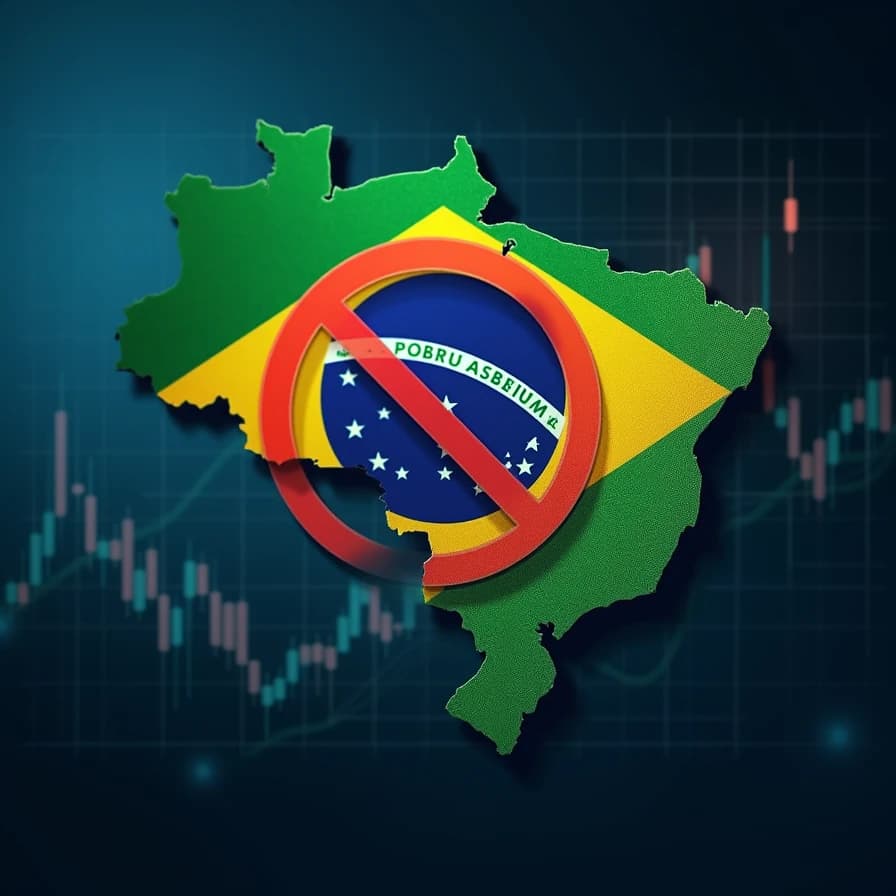
In a significant move resonating across the global financial technology and cryptocurrency landscape, Brazil's Ministry of Finance has implemented a large-scale ban against prediction market platforms. The decision, which affects prominent operators such as Polymarket and Kalshi, underscores a strict regulatory stance by the South American nation, citing investor protection and growing concerns over gambling addiction as the primary catalysts for this measure.
Context of the Ban
Prediction markets, which allow users to bet on the outcome of future events using cryptocurrencies or fiat currencies, have gained traction in recent years. These markets range from political outcomes and sporting events to technological developments and asset price movements. Their popularity stems from the promise of a new form of civic and financial participation, as well as the ability to generate aggregated information on the probability of events.
However, the speculative nature of these platforms and their interface, often resembling that of betting houses, has put regulators in various jurisdictions on high alert. Brazil, one of Latin America's largest economies and a key emerging market for technological innovation, has opted for a total ban rather than a more nuanced regulatory framework.
Reasons Behind the Decision
According to the Ministry of Finance's statement, the primary motivations behind this ban are twofold. Firstly, investor protection is a paramount concern. Brazilian authorities argue that the lack of oversight and the inherent volatility of these markets expose users to significant financial risks, especially those who may not fully comprehend the complexities of betting on future events or the underlying technologies.
Secondly, the Ministry has expressed increasing alarm over the rise of gambling addiction in the country. The ease of access to these platforms, often via mobile applications and with low friction for participation, is perceived as a factor that could exacerbate existing gambling problems or create new ones. By classifying these platforms closer to gambling than a legitimate financial instrument, Brazil seeks to mitigate these social risks.
Impact on the Crypto and Blockchain Ecosystem
The Brazilian ban has direct implications for the cryptocurrency and blockchain ecosystem. Many prediction market platforms, such as Polymarket, operate on decentralized infrastructures, utilizing smart contracts and tokens to facilitate betting. Brazil's decision could set a precedent for other jurisdictions grappling with how to categorize and regulate these innovations.
While the ban specifically targets platforms operating within its borders or allowing access to Brazilian citizens, the global and decentralized nature of many of these operations presents enforcement challenges. Nevertheless, the message is clear: Brazil is prioritizing financial stability and consumer protection over the unrestricted promotion of certain forms of technological innovation.
The Debate: Protection vs. Innovation
This measure reignites the global debate on how to balance consumer protection and financial stability with the fostering of innovation. Proponents of prediction markets argue that these platforms can be valuable tools for information aggregation, risk hedging, and opinion expression in a market format. Furthermore, they point to the potential of blockchain technology to introduce transparency and censorship resistance into these markets.
On the other hand, regulators often face the difficult task of adapting outdated legal frameworks to emerging technologies that defy traditional classifications. The line between legitimate speculative investment and high-risk gambling becomes blurred, and the inclination of many regulatory bodies is to err on the side of caution.
Future Outlook
The ban in Brazil serves as a stark reminder that the adoption of blockchain technology and cryptocurrencies is intrinsically linked to the evolution of national regulatory frameworks. This decision is likely to prompt other nations to re-evaluate their stance on prediction markets and, more broadly, on decentralized platforms operating in regulatory gray areas.
For the industry, this underscores the need for continuous dialogue with regulators and the development of solutions that are not only innovative but also proactively address legitimate concerns about consumer protection and market integrity. The future of prediction markets in Latin America and beyond will largely depend on how regulators and the industry manage to navigate these complex waters.
Market Sentiment: Bajista 📉
Support independent journalism 💸
The crypto ecosystem is volatile. If you decide to invest, do it safely using our affiliate links in the most trusted exchanges. You get a welcome bonus and we get a small commission.
Disclaimer: This content is not financial advice. Do your own research before investing.