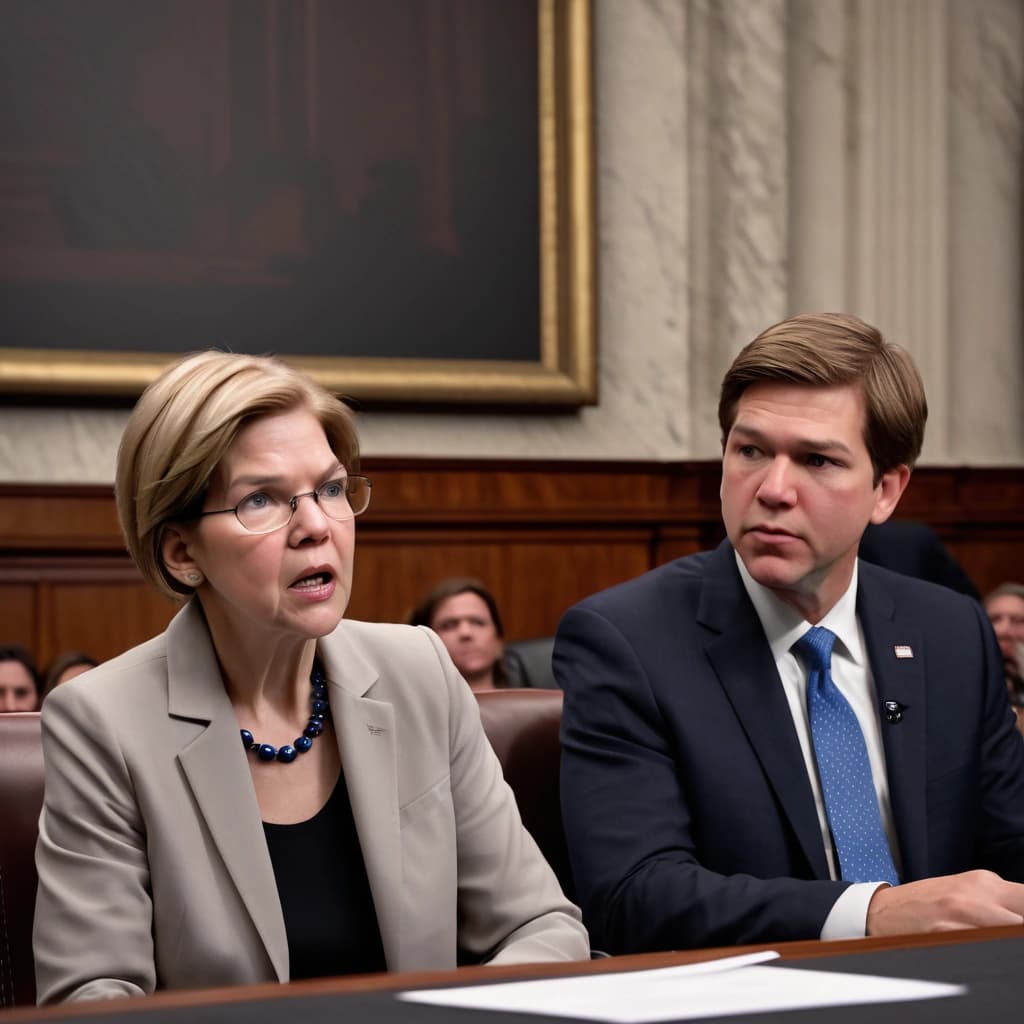
Outcome Trading Platform Penalizes Candidate for Self-Wagering in US Senate Race
A prominent outcome-forecasting platform has issued penalties to several individuals, including US Senate hopeful Mark Moran, for placing wagers on the results of their own electoral contests, an action Moran controversially labeled 'free publicity'.
By Carlos "Emérito" López Loverahace 4 horas3 min read

In a decisive move underscoring the paramount importance of integrity within outcome-forecasting platforms, a leading market operator has sanctioned several individuals. Among them is Mark Moran, a candidate vying for a United States Senate seat representing Virginia. The grounds for these penalties are straightforward yet contentious: placing wagers on the outcomes of their own political campaigns. This incident shines a light on the intricate ethical boundaries that emerge at the intersection of politics, finance, and emergent market technologies.
Mark Moran, whose campaign aims for a coveted spot in the US Senate, not only engaged in this practice but had previously characterized his own bets as a form of 'free publicity'. While perhaps conceived as a clever strategic maneuver, this statement has resonated quite differently within the governance and fairness frameworks of platforms like this. The notion that a personal wager could serve as a marketing tool raises serious questions about equity and transparency in an environment designed to predict results based on impartial information, rather than the direct influence of the participants themselves.
Upholding Market Integrity Amidst Political Maneuvering
The fundamental principle of an outcome-forecasting platform rests on its ability to aggregate information and generate forecasts derived from the collective judgment of its users. When a candidate wagers on their own victory, it introduces an element that can be perceived as market distortion or, at the very least, a significant conflict of interest. Such actions risk skewing the public's perception of probabilities, influencing other participants, and ultimately undermining the credibility of the market as a reliable barometer of sentiment or potential results. The platform's stance, by penalizing such behavior, aims to preserve the purity and objectivity of its markets, ensuring that the displayed probabilities reflect a genuine evaluation and not self-generated influence.
Safeguarding Fairness in Outcome Forecasting
The platform's decision to penalize Moran and others transcends mere internal procedural matters; it is a strong affirmation of its commitment to market integrity. In a space where trust is the most valuable commodity, allowing participants with a direct stake in the outcome to influence the wagers could pave the way for abuse and erode community confidence. These platforms operate on the premise that participants act in good faith, and any action suggesting an attempt to manipulate outcomes or their perception is viewed with extreme gravity. The penalties serve as a clear reminder that personal advantage must not supersede the fairness and transparency of the system.
This episode involving Mark Moran is an eloquent illustration of the challenges confronting outcome-forecasting platforms as they gain traction and attract a broader spectrum of users, including those from the political sphere. As these markets continue to evolve and their influence expands, the necessity for clear guidelines, rigorous enforcement, and a profound understanding of the ethical ramifications becomes increasingly critical. The platform’s action sends a powerful message about the importance of maintaining impartiality and trust within these innovative financial instruments, particularly when they intersect with the delicate terrain of public representation and democratic processes.
Market Sentiment: Neutral ➡️
Support independent journalism 💸
The crypto ecosystem is volatile. If you decide to invest, do it safely using our affiliate links in the most trusted exchanges. You get a welcome bonus and we get a small commission.
Disclaimer: This content is not financial advice. Do your own research before investing.