Bitcoin and Ether Approach 2024 Lows: Options Market Reflects Risk Aversion
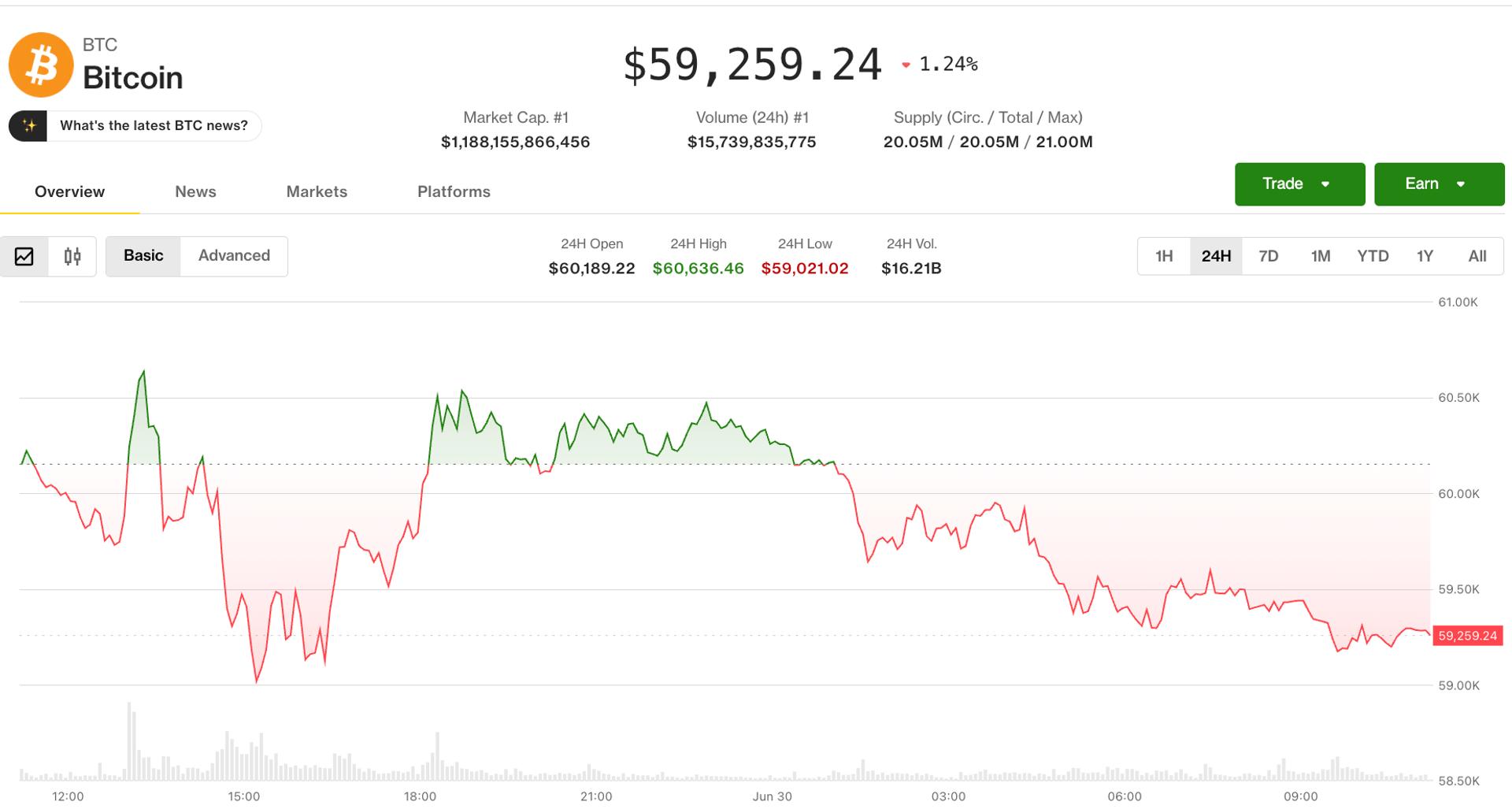
Bitcoin (BTC) and Ethereum (ETH) have experienced significant depreciation, nearing their 2024 lows. This bearish trend is amplified by options market activity, where traders are paying higher costs for downside protection, signaling heightened risk perception and a dominant bearish sentiment. The DeFi sector has been hit hardest, though assets like XLM and LIT have shown resilience.
Key Takeaways
- Bitcoin and Ethereum are nearing their 2024 lows, signaling a correction or consolidation phase with sustained selling pressure.
- The options market shows increased demand and cost for put options, reflecting intensified hedging strategies and anticipation of greater downside volatility.
- DeFi sector tokens have been most impacted, suggesting higher sensitivity of these assets to general crypto market fluctuations and potential deleveraging.
The cryptocurrency market has registered significant downward pressure, with Bitcoin (BTC) and Ethereum (ETH) approaching the minimum price levels observed in 2024. This movement occurs in a context of generalized market weakness, where total capitalization has experienced a contraction, reflecting a decrease in investor confidence and an increase in risk aversion.
Analysis of Options Market Activity
The current market dynamics are underscored by activity in the options segment. Traders are increasing demand for put options for BTC and ETH, assuming higher premiums to secure protection against future price declines. This phenomenon is manifested in an increase in volatility 'skew,' where put options with lower strike prices trade with higher implied volatility than equivalent call options. This volatility structure indicates that the market anticipates a higher probability of bearish movements and is willing to pay a premium for coverage.
Historically, an increase in demand for downside protection, reflected in premium prices, has preceded or accompanied periods of significant correction. The direct economic implication is that institutional investors and high-volume traders are actively managing tail risk, suggesting an underlying concern for price stability in the short to medium term. This can generate a negative feedback loop, where the perception of risk leads to more hedging, which in turn can further pressure spot prices.
Impact on the DeFi Ecosystem and Market Exceptions
The Decentralized Finance (DeFi) sector has been the most affected by this contraction. Tokens associated with DeFi protocols have recorded the largest percentage losses. This is attributed to the interconnected and often leveraged nature of many DeFi projects. During periods of high volatility and bearish pressure, automatic liquidation mechanisms on decentralized lending and derivatives platforms can trigger cascading sales, magnifying the impact on the prices of underlying tokens. Exposure to volatile assets and reliance on general market liquidity make DeFi tokens particularly susceptible to downturns.
Contrary to the general trend, assets like Stellar (XLM) and Litentry (LIT) have shown divergent behavior, resisting market weakness. XLM's resilience could be attributed to its focus on cross-border payments and its low-cost infrastructure, which can attract capital during times of uncertainty where practical utility and efficiency are valued. For LIT, its performance might be linked to specific project dynamics or a lower correlation with broader cryptocurrency market movements in this cycle.
Technical and Economic Implications
The approach of BTC and ETH to their 2024 lows establishes a critical technical control point. The ability of these assets to maintain these support levels will determine the short-term direction of the market. A sustained break below these lows could invalidate previous price structures and signal a possible extension of the bearish phase, with implications for overall market liquidity and investor confidence. Economically, a prolonged phase of low prices can affect Bitcoin mining profitability, reduce capital available for project development, and slow institutional adoption due to perceived higher risk.
The options market, through the implied volatility curve and 'skew,' will continue to be a key sentiment indicator. A persistent bearish 'skew' and high cost of put options suggest that the market anticipates the need for hedging, which could maintain selling pressure or limit rallies. The evolution of these parameters will be crucial for evaluating any changes in risk perception or the emergence of potential stabilization.
📖 Key Terms Glossary
❓ Frequently Asked Questions
What does the increase in the cost of downside protection options indicate?
The increased cost of these options suggests that traders are willing to pay more to protect their portfolios against price drops, indicating a bearish market sentiment and anticipation of higher volatility.
Why have DeFi tokens been the most affected in this correction?
DeFi tokens typically have a higher beta relative to the overall cryptocurrency market, making them more sensitive to downturns. Furthermore, the interconnectedness and inherent leverage in many DeFi protocols can amplify liquidations during periods of market stress.
What are the implications of Bitcoin approaching its 2024 lows?
Bitcoin approaching its 2024 lows implies that the asset is retesting a critical price point. A break below this level could signal a continuation of the bearish trend, while a rebound might indicate the formation of new support.
Support independent journalism 💸
The crypto ecosystem is volatile. If you decide to invest, do it safely using our affiliate links in the most trusted exchanges. You get a welcome bonus and we get a small commission.
Disclaimer: This content is not financial advice. Do your own research before investing.