Infosecurity Europe: A Strategic Hub for Global Cyber Resilience
Scheduled for May 2026, Infosecurity Europe is a critical convergence point for the cybersecurity industry. The event facilitates threat intelligence exchange, showcases advanced technological solutions, and fosters discussions on regulatory frameworks, influencing enterprise and governmental defense strategies against an evolving threat landscape.
By Carlos "Emérito" López Lovera•27 may 2026•3 min read

Key Takeaways
- Infosecurity Europe acts as a catalyst for disseminating threat intelligence and promoting the adoption of new cybersecurity technologies.
- The event serves as a market trend barometer, influencing investment, product development, and acquisition strategies within the sector.
- Discussions at Infosecurity Europe address the intersection of technological innovation, regulatory compliance (e.g., NIS2, GDPR), and enterprise risk management in a global context.
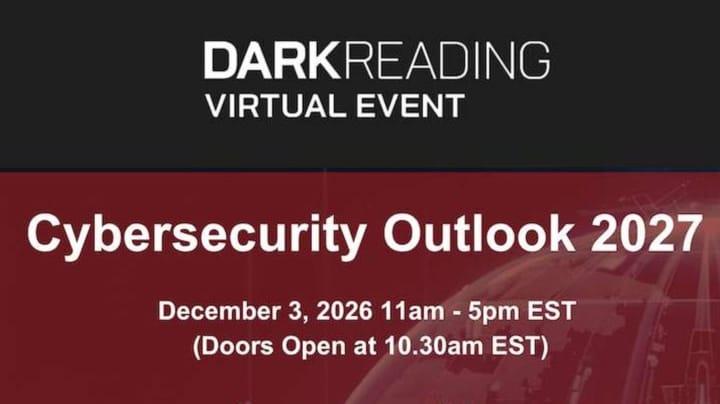
Infosecurity Europe, with its upcoming edition scheduled for May 27, 2026, stands as one of the most influential conferences in the global cybersecurity landscape. This annual event is not merely a trade exhibition; it functions as a sectoral barometer, a forum for intelligence exchange, and a catalyst for innovation and strategic adaptation in the face of evolving cyber risk.
Technical Context and Evolution of the Threat Landscape
The cybersecurity ecosystem is characterized by constant adversarial dynamics. Threats evolve in sophistication and volume, driven by state-sponsored actors, organized cybercrime groups, and hacktivist entities. The attack surface expands exponentially with the adoption of cloud computing, the Internet of Things (IoT), and the proliferation of connected devices. In this context, Infosecurity Europe provides a platform to analyze the latest attack tactics and techniques, from ransomware-as-a-service (RaaS) campaigns to supply chain attacks and zero-day vulnerability exploitation.
From a technical perspective, the event highlights the implementation of advanced security architectures. The Zero Trust model, which abandons the notion of a trusted network perimeter, continues to gain traction. Extended Detection and Response (XDR) solutions are replacing Endpoint Detection and Response (EDR) systems by correlating data from multiple sources for holistic visibility and response. Artificial Intelligence (AI) and Machine Learning (ML) are integral components, both in defense (behavioral analysis, anomaly detection) and offense (polymorphic malware generation, advanced social engineering). Preparation for post-quantum cryptography and the security of AI itself, including bias detection and protection against adversarial attacks, are emerging topics of critical discussion.
Economic and Market Implications
Cybersecurity constitutes a multi-billion dollar global market, with projections of continuous double-digit growth. Investment in security solutions and services is driven by the increasing cost of data breaches, which can amount to millions of dollars per incident, including regulatory fines, reputational loss, and remediation expenses. Infosecurity Europe is a stage where technology providers compete for the attention of CIOs, CISOs, and security professionals, presenting their latest innovations in areas such as Identity and Access Management (IAM), cloud security (CSPM, CNAPP), and data protection.
The event also reflects consolidation and acquisition trends in the industry, where large technology companies acquire specialized solution startups to strengthen their portfolios. The global shortage of cybersecurity talent is another significant economic factor, driving up salaries and the demand for training programs. Discussions at the conference often address strategies to mitigate this talent gap and optimize investment in human resources.
Regulatory Impact and Governance
The global regulatory framework exerts considerable pressure on organizations to implement robust security controls. Directives such as the General Data Protection Regulation (GDPR) in Europe have set a precedent for data privacy and security. More recently, the EU's NIS2 Directive has expanded the scope and tightened cybersecurity requirements for a broader spectrum of critical and essential entities, imposing risk management and incident notification obligations. Infosecurity Europe offers panels and seminars where legal and technical experts break down these regulations, their compliance implications, and best practices to avoid sanctions.
Cybersecurity governance, including board responsibility and the integration of cyber risk into overall business strategy, is a recurring theme. The conference facilitates dialogue on how organizations can build a security culture that permeates all levels, from executive management to frontline employees, recognizing that security is not just a technological function but a business imperative.
The 2026 edition of Infosecurity Europe will consolidate discussions on cyber resilience in an environment of persistent threats and rapid technological evolution. Participants will seek solutions for security automation, digital identity protection in hybrid environments, and building incident response capabilities that minimize the operational and financial impact of cyberattacks. The focus will be on the practical implementation of these strategies and the evaluation of cybersecurity return on investment.
📖 Key Terms Glossary
❓ Frequently Asked Questions
What is the importance of events like Infosecurity Europe for the industry?
Events like Infosecurity Europe are crucial for knowledge transfer, standardizing security practices, evaluating emerging solutions, and professional networking, which collectively elevate the level of global cyber preparedness.
What technological trends currently dominate cybersecurity discussions?
Dominant trends include the integration of AI/ML for threat detection, the implementation of Zero Trust architectures, the adoption of XDR and SASE solutions, and preparation for post-quantum cybersecurity.
How does regulation impact enterprise cybersecurity strategy?
Regulations like GDPR and NIS2 impose strict data protection and cyber resilience requirements. This compels businesses to invest in robust security technologies and processes, directly affecting their budgets and strategic priorities.
Support independent journalism 💸
The crypto ecosystem is volatile. If you decide to invest, do it safely using our affiliate links in the most trusted exchanges. You get a welcome bonus and we get a small commission.
Disclaimer: This content is not financial advice. Do your own research before investing.