CFTC Reiterates Warning on Self-Certification in Prediction Markets
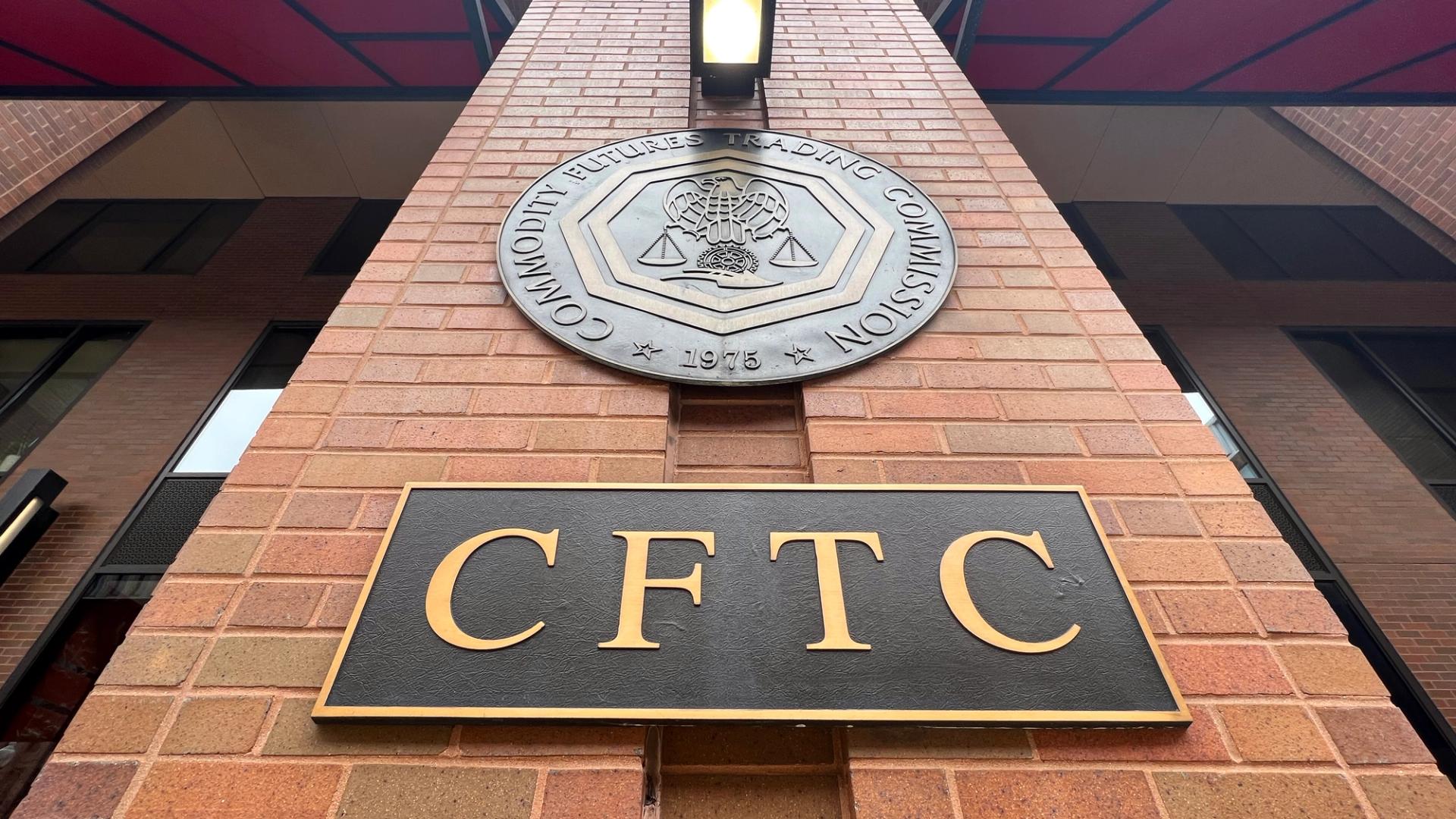
The Commodity Futures Trading Commission (CFTC) has issued a new warning to prediction markets, highlighting a trend of firms using standardized or 'cookie-cutter' self-certification processes for their event contracts. This action underscores growing regulatory concern over the adequacy of internal oversight in the non-traditional derivatives sector.
By Carlos "Emérito" López Lovera•26 jul 2026•3 min read
Key Takeaways
- The CFTC has issued a warning to prediction markets regarding the inadequate self-certification of event contracts.
- The practice of 'cookie-cutter self-certification' by firms is a key point of regulatory concern.
- The CFTC's action indicates continuous vigilance over the classification and compliance of event contracts, aiming to ensure investor protection and market integrity.
The Commodity Futures Trading Commission (CFTC), the primary derivatives regulator in the United States, has issued a new warning to prediction market platforms operating with event contracts. This regulatory communication emphasizes that some firms are resorting to a 'cookie-cutter self-certification' approach, which implies a lack of individualized and rigorous evaluation of their financial products.
Regulatory Context and Definition of Event Contracts
Prediction markets are platforms where participants can bet on the outcome of future events, ranging from political elections to economic indicators or sporting events. These markets are typically structured using 'event contracts,' which are financial instruments whose value is derived from the occurrence or non-occurrence of a specific event. The CFTC classifies many of these instruments as 'swaps' or 'options' under its jurisdiction if they meet the definition of derivatives and are not exempt. Self-certification is a regulatory mechanism that allows exchanges and markets to register new financial products or rule changes without explicit prior CFTC approval, provided they certify compliance with the Commodity Exchange Act (CEA) and Commission regulations. This process requires the entity to conduct a thorough analysis to ensure that the product is not susceptible to manipulation, does not violate the law, and is not contrary to the public interest.
Implications of Standardized Self-Certification
The CFTC's warning about 'standardized self-certification' suggests that some firms may not be conducting the necessary due diligence. A 'cookie-cutter' approach could mean that firms are applying generic compliance templates without considering the unique characteristics of each event contract, its inherent risks, or its potential impact on the market and participants. This can result in contracts that, although self-certified, do not fully comply with regulatory requirements, such as the prohibition of gambling-based products or the need for a fair and transparent market structure. The lack of individualized analysis increases the risk of offering products that could be considered illegal 'gambling contracts' or that fail to provide adequate consumer protection.
Economic Impact and Future Outlook
From an economic perspective, this regulatory intervention has several implications. For prediction market platforms, the warning may mean an increase in compliance costs, as they will need to strengthen their internal review and analysis processes for each new event contract. This could slow down the introduction of new products and require greater investment in legal and compliance resources. For market participants, the increased CFTC oversight aims to provide a safer and more transparent environment, reducing the risk of fraud or manipulation. The continuation of these warnings underscores the CFTC's stance on maintaining strict vigilance over innovation in the derivatives space, particularly where the lines between regulated financial products and unregulated gambling can blur. The sector will need to demonstrate technical and operational capacity to adapt its compliance frameworks to the detailed regulatory expectations of the CFTC, which will be a critical factor for its long-term sustainability and development.
📖 Key Terms Glossary
❓ Frequently Asked Questions
What is the CFTC's main concern regarding prediction markets?
The CFTC's main concern is that prediction market firms are using a standardized ('cookie-cutter') self-certification process for their event contracts, without conducting a rigorous and individualized analysis of each product.
What are event contracts in this context?
Event contracts are financial instruments offered in prediction markets whose value is based on the occurrence or non-occurrence of a specific future event, and which the CFTC may classify as derivatives under its jurisdiction.
What does 'standardized self-certification' imply?
It implies that firms apply generic compliance templates without considering the unique characteristics, risks, or specific impacts of each event contract, which can lead to non-compliance with CFTC regulations.
Support independent journalism 💸
The crypto ecosystem is volatile. If you decide to invest, do it safely using our affiliate links in the most trusted exchanges. You get a welcome bonus and we get a small commission.
Disclaimer: This content is not financial advice. Do your own research before investing.