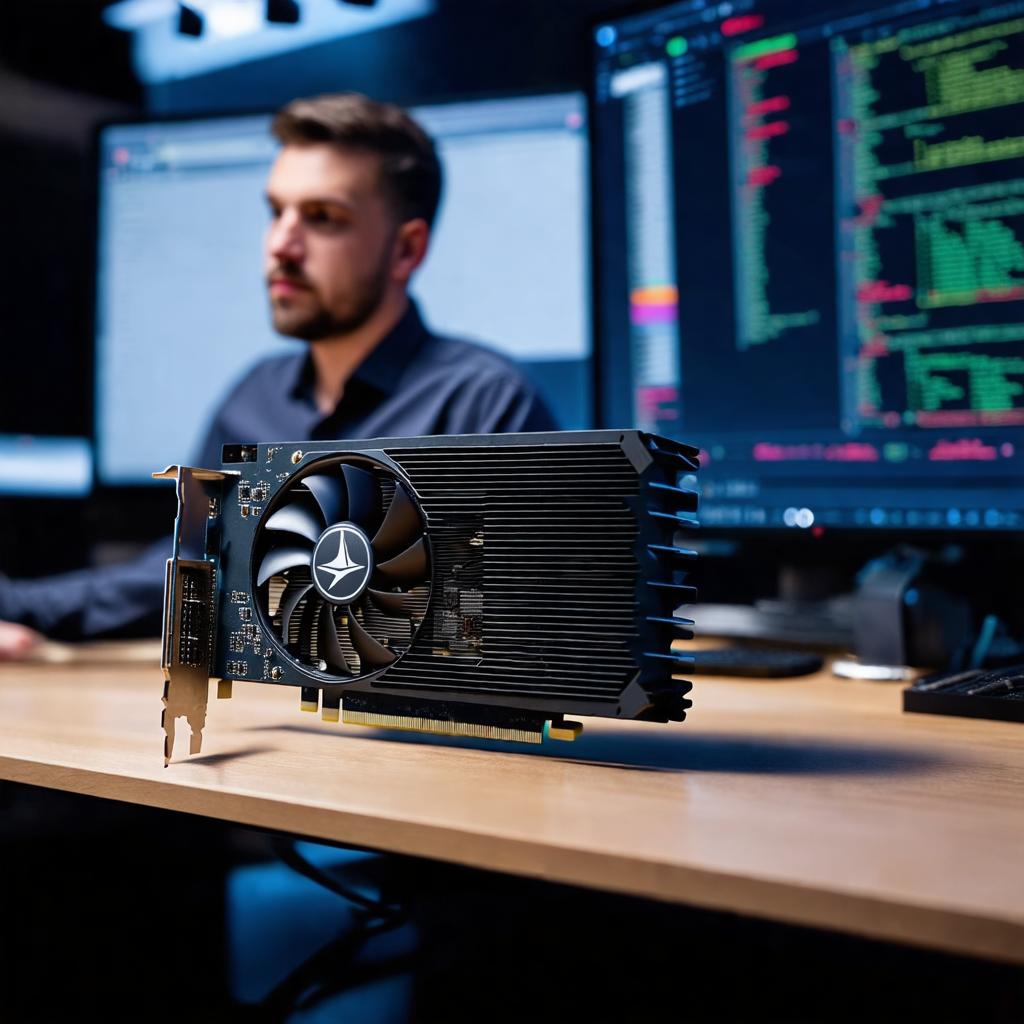
Strategic Revaluation: The European Semiconductor Sector Under Jefferies' Microscope
Jefferies has raised price targets for ASML and STMicroelectronics, signaling a positive reevaluation of the European semiconductor sector. This move highlights the critical importance of advanced photolithography technology and diversification in electronic components for global tech infrastructure, driven by demand in AI, automotive, and IoT.
By Carlos "Emérito" López Lovera•2 jul 2026•3 min read
Key Takeaways
- Jefferies has raised price targets for ASML and STMicroelectronics, indicating a positive outlook for the European semiconductor sector.
- ASML is crucial for its EUV technology, fundamental for advanced chip production, while STMicro benefits from automotive electrification and IoT.
- The revaluation is underpinned by increasing semiconductor demand, strategic investments, and ASML's dominant position in the global supply chain.
Jefferies has raised price targets for ASML and STMicroelectronics, an action reflecting an upward reevaluation of the European semiconductor sector. This modification in valuation projections underscores the growing strategic and economic importance of these companies in the global technological landscape.
ASML's Critical Role in Advanced Manufacturing
ASML Holding N.V., headquartered in Veldhoven, Netherlands, is the world's leading supplier of photolithography systems. Its technology is indispensable for the manufacturing of integrated circuits. The company is particularly known for its leadership in Extreme Ultraviolet (EUV) Lithography, a process that uses ultrashort wavelength light to etch patterns onto silicon wafers. This capability is fundamental for producing chips with 7-nanometer process nodes and smaller, used in the most advanced processors for artificial intelligence (AI), high-performance computing (HPC), and next-generation mobile devices. ASML's position as an almost exclusive provider of EUV equipment grants the company a structural competitive advantage and a technological bottleneck role in the semiconductor supply chain.
STMicroelectronics: Diversification in Key Segments
STMicroelectronics N.V. (STMicro), a French-Italian company, operates as a more diversified semiconductor manufacturer. Its product portfolio includes microcontrollers, sensors, power solutions, analog integrated circuits, and chips for automotive, industrial, consumer, and communications applications. The company has capitalized on the growing electrification of the automotive sector, supplying essential components for electric vehicles and advanced driver-assistance systems (ADAS). Furthermore, STMicro is a significant player in the Internet of Things (IoT) market, providing components for a wide range of connected devices. This strategic diversification mitigates risks and allows the company to capture value in multiple technological growth segments.
Economic Implications and Revaluation Factors
The increase in Jefferies' price targets is based on a series of economic and market factors. Global semiconductor demand continues to be robust, driven by the expansion of AI, the digitalization of industries, and the resilience of the automotive sector. Government investments in chip manufacturing, such as the U.S. CHIPS Act and European initiatives, aim to strengthen local supply chains and reduce reliance on specific regions, indirectly benefiting manufacturers with a consolidated presence. These companies' ability to innovate and adapt to technological demands, coupled with a market environment that values advanced technology, justifies the positive reevaluation. The concentration of capital and expertise in critical technologies, such as ASML's EUV, translates into greater pricing power and high operating margins.
Future Checkpoints for the Sector
The future trajectory of the European semiconductor sector will be subject to several checkpoints. The evolution of geopolitical tensions, particularly regarding trade policies and technology export restrictions, could impact operations and supply chains. Continuous investment in research and development (R&D) is imperative to maintain technological advantage against global competition. Likewise, the companies' ability to manage manufacturing equipment capitalization cycles and adapt to macroeconomic fluctuations will be crucial. Sustained demand for AI chips and vehicle electrification will act as growth drivers, but market saturation or the emergence of disruptive technologies represent risks to monitor.
📖 Key Terms Glossary
❓ Frequently Asked Questions
Why has Jefferies revalued European semiconductor companies?
The revaluation is attributed to a positive sector outlook, driven by the increasing demand for chips in technologies like AI and automotive, and the strategic position of companies such as ASML and STMicro in the global supply chain.
What role does ASML play in the semiconductor industry?
ASML is a world-leading supplier of photolithography systems, especially its EUV technology, which is indispensable for the most advanced chip manufacturers in producing the next generations of processors.
Which market segments are driving STMicroelectronics' growth?
STMicroelectronics benefits from demand in the automotive sector, particularly with electrification and the integration of advanced systems, as well as growth in industrial and consumer applications related to the Internet of Things (IoT).
Support independent journalism 💸
The crypto ecosystem is volatile. If you decide to invest, do it safely using our affiliate links in the most trusted exchanges. You get a welcome bonus and we get a small commission.
Disclaimer: This content is not financial advice. Do your own research before investing.