Russia Bans Cryptocurrency Mining in Moscow and Kursk Regions Until 2032 Due to Energy Shortages
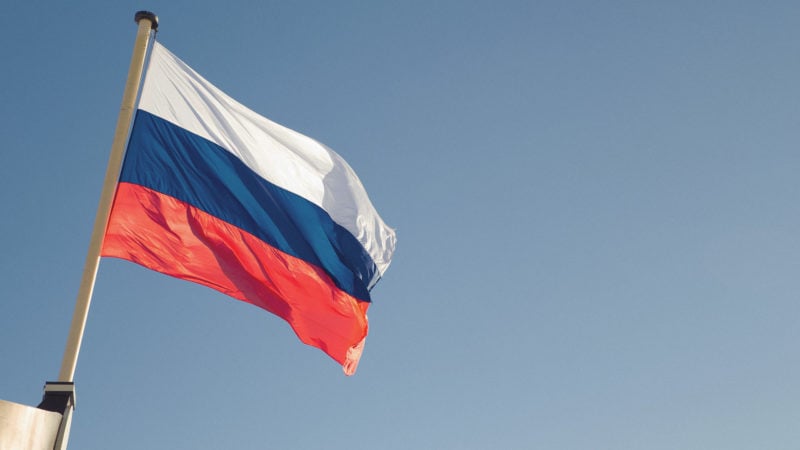
The Russian government has enacted a decree prohibiting cryptocurrency mining in the Moscow region, including the capital, and parts of the Kursk region until 2032. The measure is based on concerns over electricity supply stability, with mining operations estimated to consume 1 GW, potentially leading to future shortages.
By Carlos "Emérito" López Lovera•1 ago 2026•3 min read
Key Takeaways
- Russia has prohibited cryptocurrency mining in the Moscow region and parts of Kursk until 2032.
- The ban is justified by an estimated 1 GW energy consumption attributed to mining, which threatens electricity supply stability.
- The measure implies the relocation or cessation of mining operations in affected areas, with economic and operational implications for the sector.
The government of the Russian Federation has enacted a decree prohibiting cryptocurrency mining in the Moscow region, encompassing the capital itself, and in certain areas of the Kursk region. This restriction will take effect immediately and extend until the year 2032.
Energy Justification for the Ban
The basis for this regulatory decision lies in concerns expressed by regional energy officials. According to their estimates, cryptocurrency mining operations in these areas consume approximately 1 gigawatt (GW) of energy. This level of electricity demand is considered a significant factor that could contribute to future shortages in the local electricity supply.
The consumption of 1 GW represents a substantial load on any regional electrical grid infrastructure. Contextually, cryptocurrency mining, particularly that which uses Proof-of-Work (PoW) algorithms like Bitcoin (BTC), is inherently energy-intensive. Large-scale mining farms require a considerable amount of electricity to power specialized equipment, such as ASIC (Application-Specific Integrated Circuit) miners, and to maintain cooling systems to prevent such equipment from overheating.
Technical and Economic Implications
From a technical perspective, the absorption of 1 GW by mining in a specific region can destabilize the grid if not properly planned. This can lead to demand peaks, overloads in substations and transmission lines, and ultimately, power outages for other consumers, whether residential or industrial. The prohibition until 2032 suggests a long-term strategy by Russian authorities to ensure the reliability of their energy infrastructure, prioritizing supply to sectors considered essential or to the general population.
Economically, this measure will have a direct impact on cryptocurrency mining operators established in the affected regions. Companies and individual miners will be forced to cease their activities or relocate to other jurisdictions within or outside Russia. This entails costs for dismantling, transporting, and reconfiguring equipment, in addition to finding new locations that offer favorable energy and regulatory conditions. The relocation of 1 GW of mining capacity represents a significant displacement of infrastructure and capital, which could influence the global distribution of hashing capacity.
Russia's decision aligns with trends observed in other nations that have faced similar challenges with the energy consumption of cryptocurrency mining. This underscores the growing tension between the growth of the digital asset industry and the sustainability of existing energy infrastructures.
Future Outlook
The extension of the ban until 2032 indicates a firm governmental commitment to resolving long-term electricity supply issues. It will be crucial to observe how this policy affects investment in mining within Russia and whether it drives a migration of capital and talent towards regions with greater energy surplus or more permissive regulatory frameworks. The effectiveness of this measure will be gauged by the stability of the electricity supply in the affected areas and by the eventual relocation of mining capacity.
📖 Key Terms Glossary
❓ Frequently Asked Questions
What is the geographical scope of the mining ban in Russia?
The ban applies to the Moscow region, the city of Moscow, and parts of the Kursk region.
How long will the ban be in effect?
The ban is in effect until the year 2032.
What is the main reason for this measure?
The main reason is concern over energy consumption, estimated at 1 GW, which could lead to electricity shortages.
Support independent journalism 💸
The crypto ecosystem is volatile. If you decide to invest, do it safely using our affiliate links in the most trusted exchanges. You get a welcome bonus and we get a small commission.
Disclaimer: This content is not financial advice. Do your own research before investing.