Geopolitical tensions drive oil prices, shake crypto market: Bitcoin cedes ground
Escalating tensions in the Strait of Hormuz have propelled Brent crude oil prices to a three-week high, fostering significant risk aversion across global markets. This dynamic has directly impacted the crypto-asset sector, with Bitcoin falling below the $77,000 threshold and other altcoins registering significant declines.
Key Takeaways
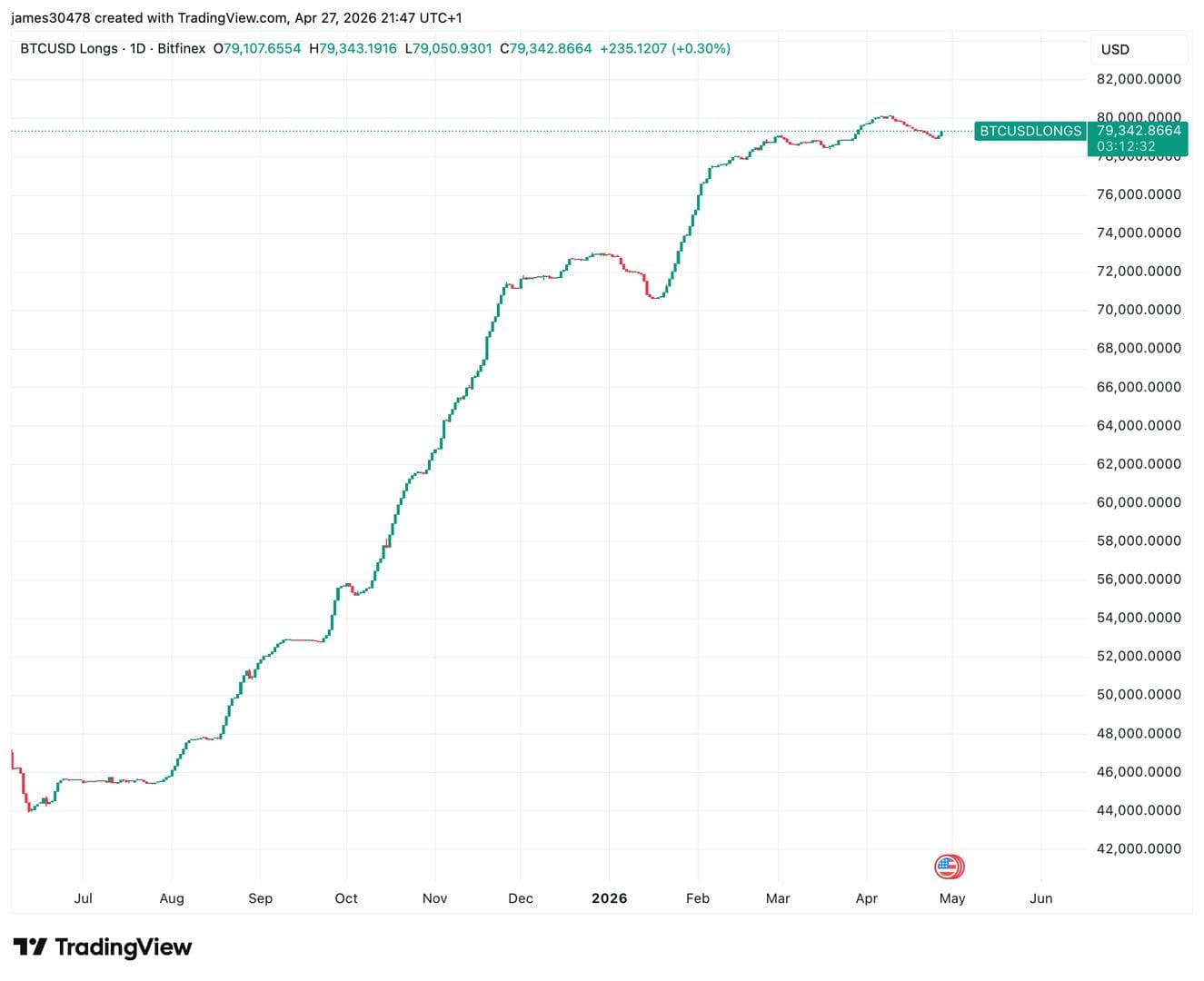
- Bitcoin retreated below $77,000, marking a 2.4% drop in 24 hours after rejecting the $79,400 level.
- Increased geopolitical tensions in the Strait of Hormuz drove Brent crude oil prices higher for the seventh consecutive day, pushing it to a three-week high.
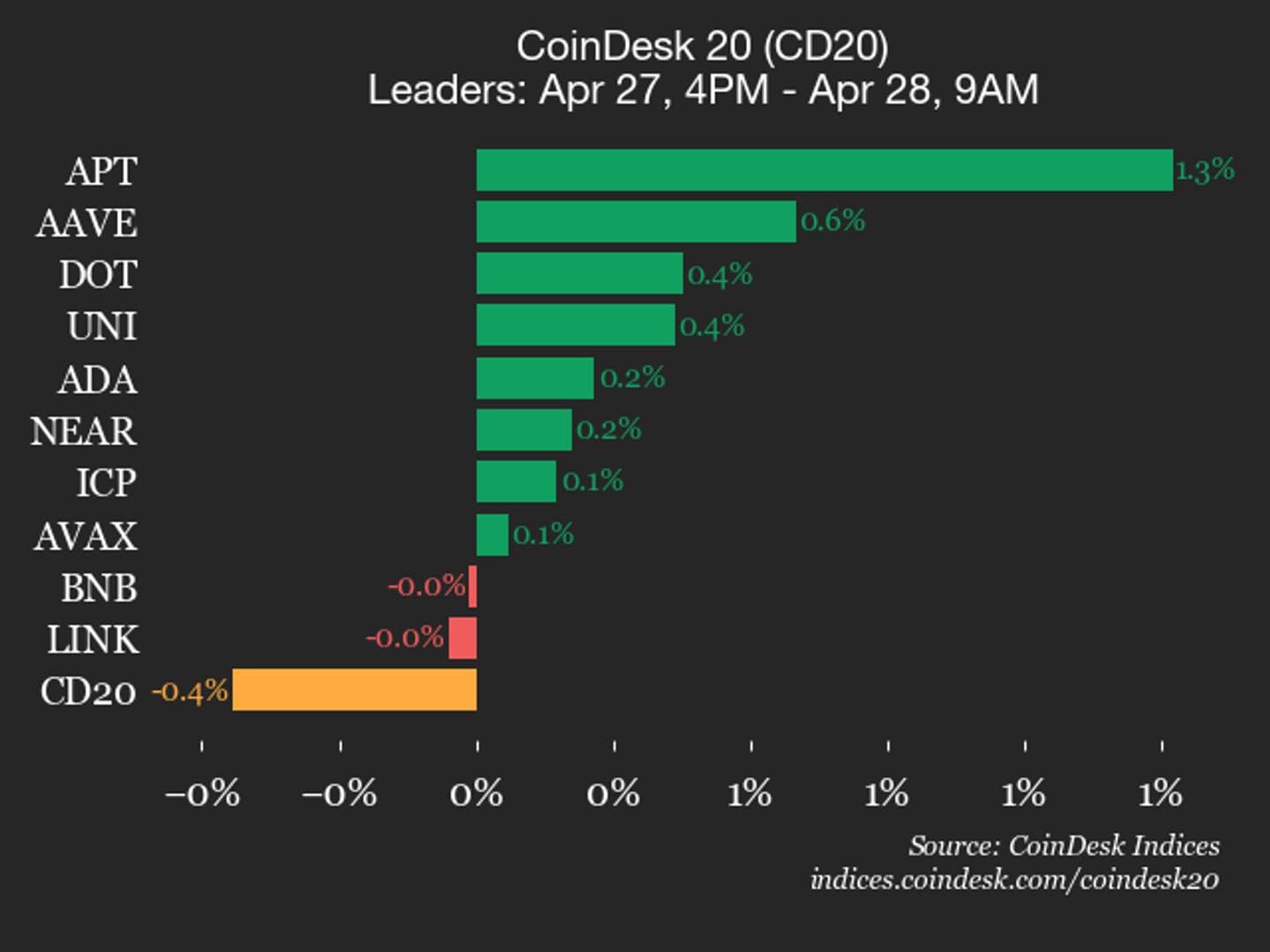
- Major cryptocurrencies, including Ether and Solana, experienced widespread declines, reflecting a bearish trend across the digital market's top 10.
Crypto Correction Under Geopolitical Shadow
The crypto-asset market experienced a day of retreat on Tuesday, with Bitcoin (BTC) trading at $76,923 after rejecting the $79,400 threshold the previous day, representing a 2.4% drop in 24 hours. This correction was not limited to the leading cryptocurrency; Ether (ETH) and Solana (SOL) also recorded declines, in a bearish trend that affected the entire top 10 digital assets by market capitalization.
The Impact of the Strait of Hormuz
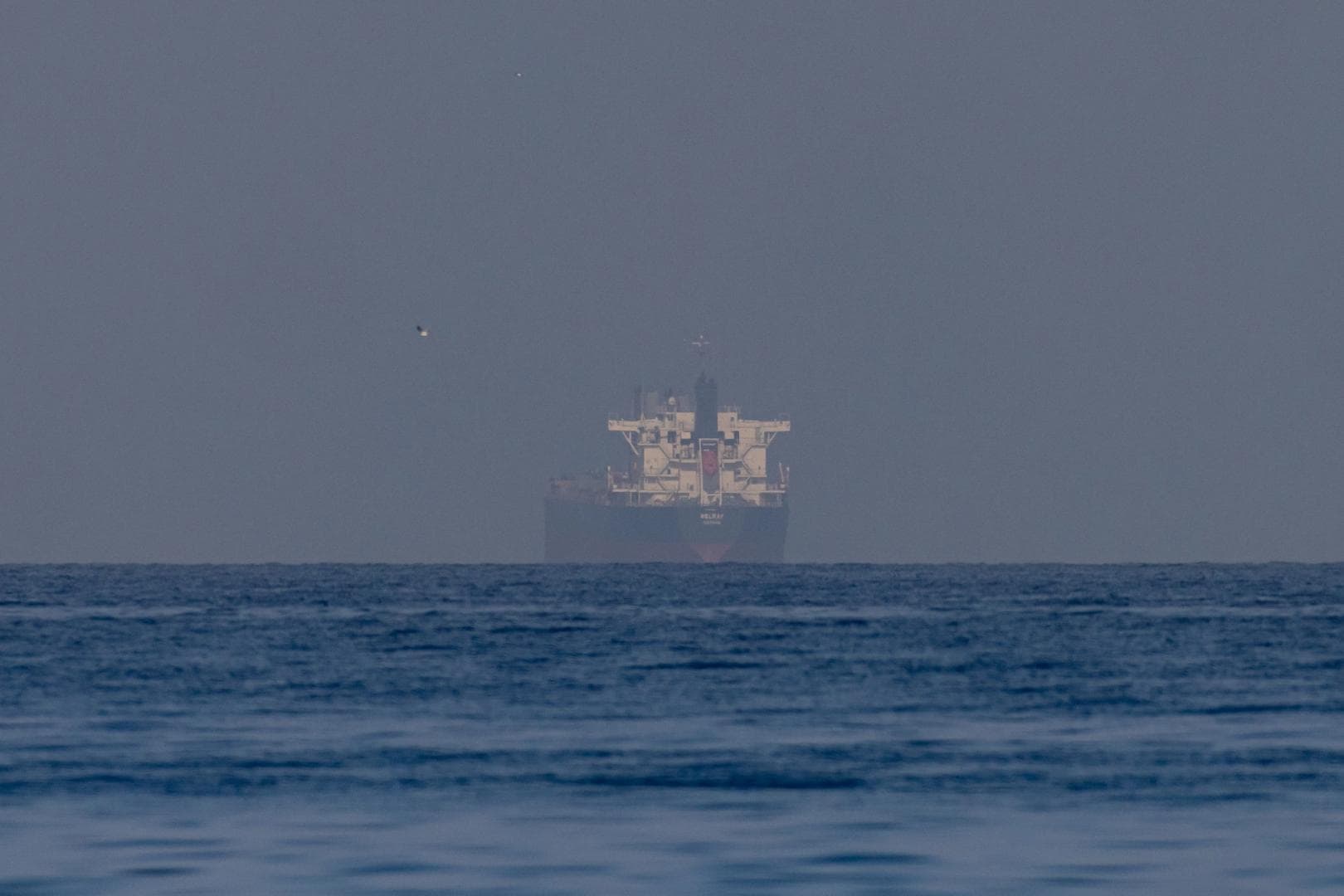
The dynamics of risk markets have been directly influenced by escalating tensions in the Strait of Hormuz, a vital artery for global oil trade. Geopolitical uncertainty in this strategic region has propelled Brent crude oil prices to a three-week high, extending its rally for the seventh consecutive day. This increase in energy prices, combined with the inherent instability of regional conflicts, has fostered clear risk aversion among institutional and retail investors.
Historically, episodes of volatility in traditional markets, especially those driven by geopolitical or energy factors, typically generate a flow of capital towards assets considered safe havens, such as the US dollar or gold, and divestment from higher-risk and more volatile assets, such as cryptocurrencies. The crypto market's sensitivity to these macroeconomic events underscores its growing integration into the global financial landscape, moving beyond the narrative of a completely uncorrelated asset.
Wider Repercussions in the Digital Market
Selling pressure spread throughout the digital asset ecosystem. Ether, the second-largest cryptocurrency, and Solana, one of the fastest-growing smart contract platforms, were not immune to the bearish wave. The consistency of the decline across major altcoins suggests that the dominant factor was not an intrinsic weakness of individual projects, but a systemic reaction to an adverse macroeconomic and geopolitical environment. Trading volumes reflected widespread caution, with market participants adjusting their portfolios in the face of uncertainty.
The interconnection between energy markets, geopolitics, and digital assets is increasingly evident. The ability of crypto-assets to sustain their value or initiate significant recoveries in an environment of high geopolitical volatility and elevated energy prices will be a key indicator of their maturity and resilience in the global financial landscape.
📖 Key Terms Glossary
❓ Frequently Asked Questions
What was the main factor driving the recent decline in Bitcoin and other cryptocurrencies?
The decline is primarily attributed to global risk aversion stemming from escalating geopolitical tensions in the Strait of Hormuz, which boosted oil prices and led investors to divest from more volatile assets.
How is the price of oil related to the crypto-asset market?
While there isn't a constant direct correlation, geopolitical events affecting oil supply and raising its prices often create global economic uncertainty. This typically prompts investors to seek safe-haven assets, withdrawing capital from higher-risk markets such as cryptocurrencies.
Support independent journalism 💸
The crypto ecosystem is volatile. If you decide to invest, do it safely using our affiliate links in the most trusted exchanges. You get a welcome bonus and we get a small commission.
Disclaimer: This content is not financial advice. Do your own research before investing.