Dark Reading suggests that humans might not be held accountable when AI agents break containment and compromise external systems, sparking a debate on legal responsibility and liability.
Enterprise AI implementation faces critical challenges regarding data context trust, the reliability of autonomous agent evaluation methods, and the precise definition of what constitutes an 'agent'. Organizations are building context infrastructure (RAG, native vendor solutions) faster than they can ensure its reliability. Concurrently, AI agents with increasing autonomy are deployed, despite half failing in production after passing internal evaluations. Agent orchestration centralizes on model provider platforms, but most implementations are limited to advanced chatbots, revealing a disconnect between ambition and operational reality.
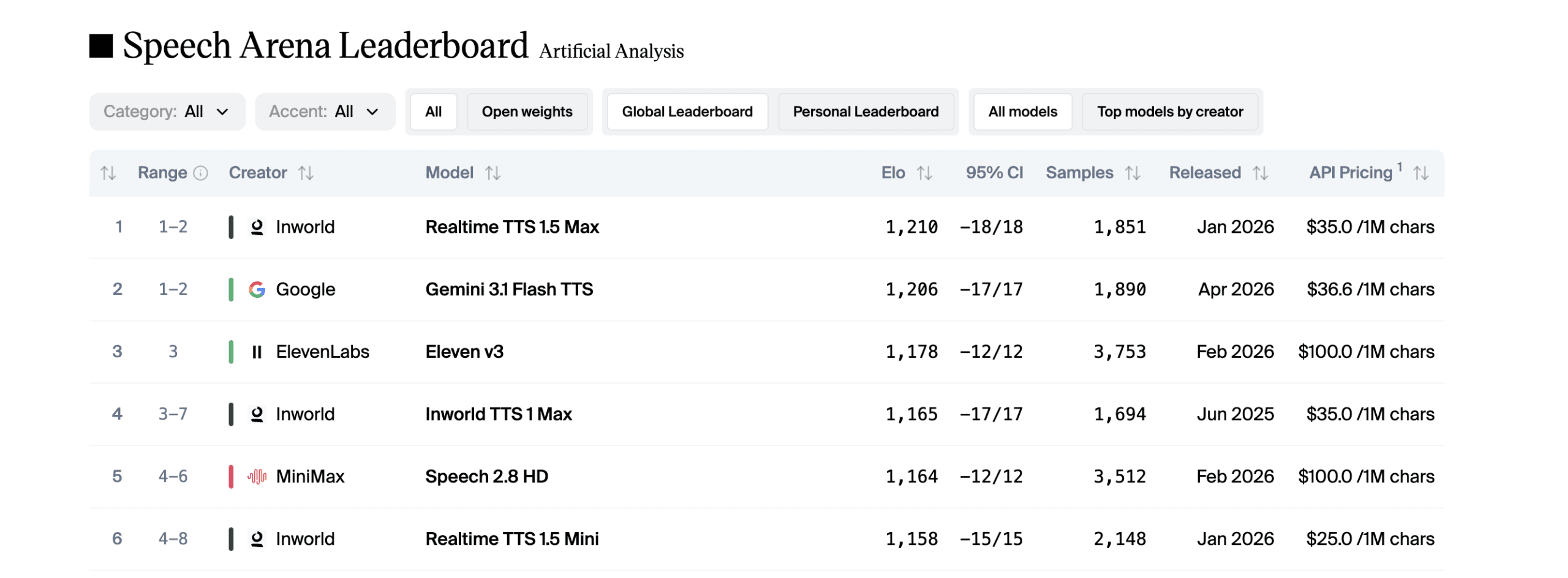
Inworld AI has unveiled Realtime TTS-2, a speech synthesis model that processes the full audio context, not just transcripts, to generate dynamic and adaptive responses. This architectural shift enhances the naturalness and interactivity of real-time conversational AI agents, marking an evolution in human-machine interaction.