Waymo Eliminates Waitlist for Robotaxi Service in Dallas, Scaling Autonomous Expansion
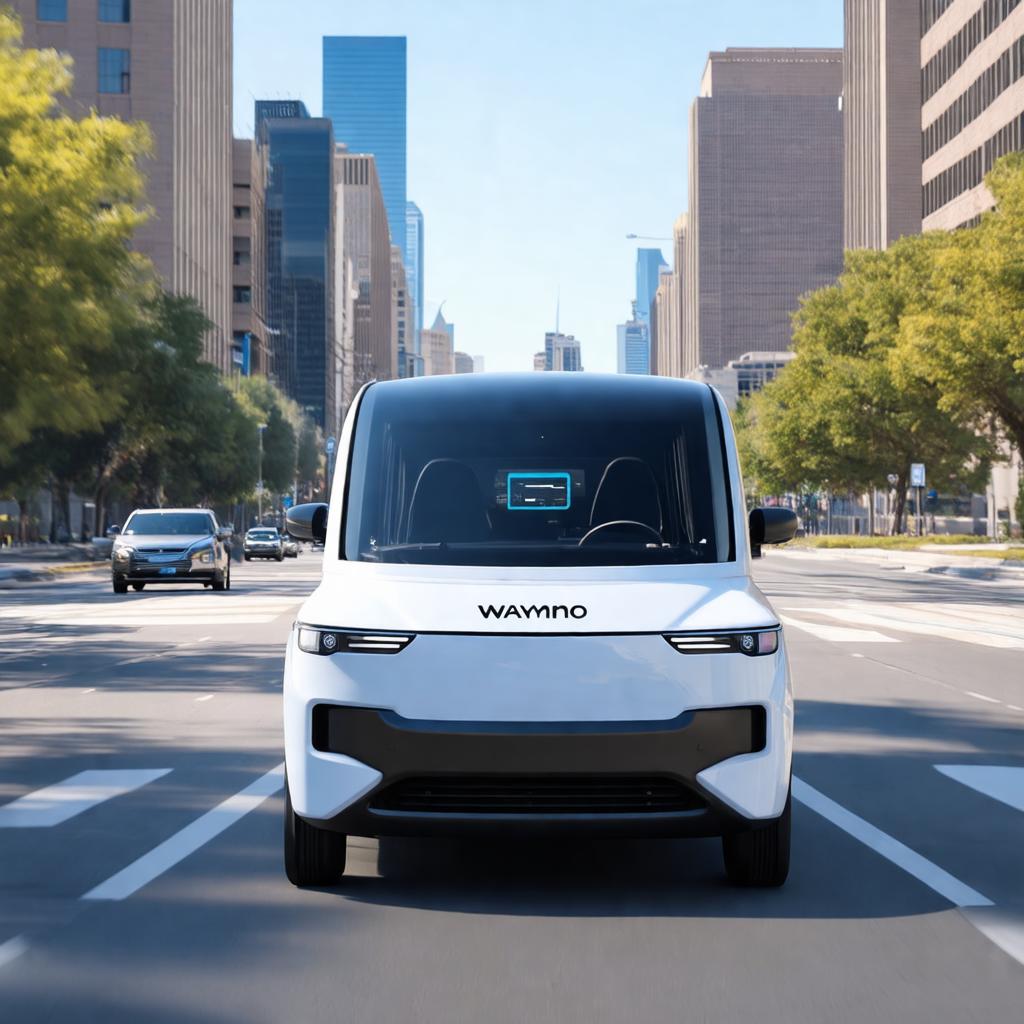
Waymo has removed the waitlist for its robotaxi service in Dallas, enabling widespread access. This move marks a significant step in the company's strategy to scale its autonomous driving technology across the United States, the UK, and Europe.
By Carlos "Emérito" López Lovera•4 ago 2026•3 min read
Key Takeaways
- Waymo has opened its robotaxi service to the general public in Dallas, eliminating the previous waitlist.
- This action is part of Waymo's global strategy to scale its autonomous driving technology.
- Waymo's expansion plans include deploying its services in the United States, the United Kingdom, and Europe.
Waymo's Operational Expansion and Strategy in Dallas
Waymo, Alphabet's autonomous vehicle subsidiary, has implemented a significant operational change in its deployment in Dallas, Texas. The company has deactivated the waitlist for its robotaxi service, allowing immediate access to all interested users in the city. This action represents a milestone in Waymo's strategy for scaling autonomous driving technology.
Waymo's system, based on artificial intelligence and a network of complex sensors, aims to operate vehicles completely autonomously, without the need for a human safety driver. The elimination of the waitlist indicates the company's operational confidence in its system's ability to handle demand and the complexities of Dallas's urban environment on a larger scale. Historically, Waymo has followed a gradual deployment pattern, starting with pilot programs with safety drivers, progressing to limited services for employees or selected users with waitlists, and finally opening access to the general public once technological and operational maturity is deemed sufficient.
Technical and Economic Implications of Scaling
From a technical perspective, Waymo's ability to operate without a waitlist in a city like Dallas implies continuous advancements in its perception, prediction, and route planning algorithms. Managing a high volume of real-time requests, optimizing vehicle allocation, and responding to dynamic traffic conditions are critical aspects that the underlying AI system must resolve. The robustness of the autonomous vehicle's software and hardware is validated through these geographical and operational expansions.
Economically, the elimination of the waitlist is a direct step towards monetization and market share capture. By facilitating access, Waymo can increase its fleet utilization, generate higher per-trip revenue, and collect more operational data, which is fundamental for refining its AI systems. The expansion strategy is not limited to the United States but includes plans for the United Kingdom and Europe, underscoring an ambition for global leadership in the autonomous mobility sector. This international expansion will require adaptation to different regulatory frameworks, road infrastructures, and driving behaviors, posing additional technical and logistical challenges.
The autonomous transport sector is capital-intensive, and scaling is essential to achieve profitability. Waymo's ability to expand its operations without compromising safety or efficiency will be a key indicator of its long-term viability. Competition in this space includes other companies developing similar technologies, which creates pressure to innovate and scale rapidly.
Outlook and Control Points
Waymo's operational performance in Dallas, measured by metrics such as trip safety, pickup and drop-off efficiency, and user satisfaction, will be a critical control point. The capacity of the support infrastructure, including vehicle charging (if applicable to its current fleet) and maintenance, will also be evaluated under increased demand volume. Future expansion into the United Kingdom and Europe will require thorough adaptation and validation of the technology in new regulatory and cultural environments, which will determine the pace and success of Waymo's global robotaxi adoption.
📖 Key Terms Glossary
❓ Frequently Asked Questions
What does it mean that Waymo has eliminated the waitlist in Dallas?
It means that anyone in Dallas can immediately access and use Waymo's robotaxi service, without needing to wait for approval.
What is Waymo's main objective with this expansion in Dallas?
The main objective is to scale its autonomous driving technology and expand its operational presence in the United States, with future plans for the United Kingdom and Europe.
Support independent journalism 💸
The crypto ecosystem is volatile. If you decide to invest, do it safely using our affiliate links in the most trusted exchanges. You get a welcome bonus and we get a small commission.
Disclaimer: This content is not financial advice. Do your own research before investing.