Analyzing Global Sound Exploration Through Field Recordings
Field recording allows for the exploration and documentation of global acoustic environments. This technical method, often utilizing formats like WAV, facilitates the integration of soundscapes into musical productions, creates background atmospheres, and promotes active listening, highlighting its value across various technical and creative applications.
By Carlos "Emérito" López Lovera•5 sept 2026•3 min read
Key Takeaways
- Field recordings document acoustic environments from various global locations.
- These recordings are applied in ambient music production, as background noise, and for active listening.
- The WAV format is a standard used for capturing and storing audio in field recordings.
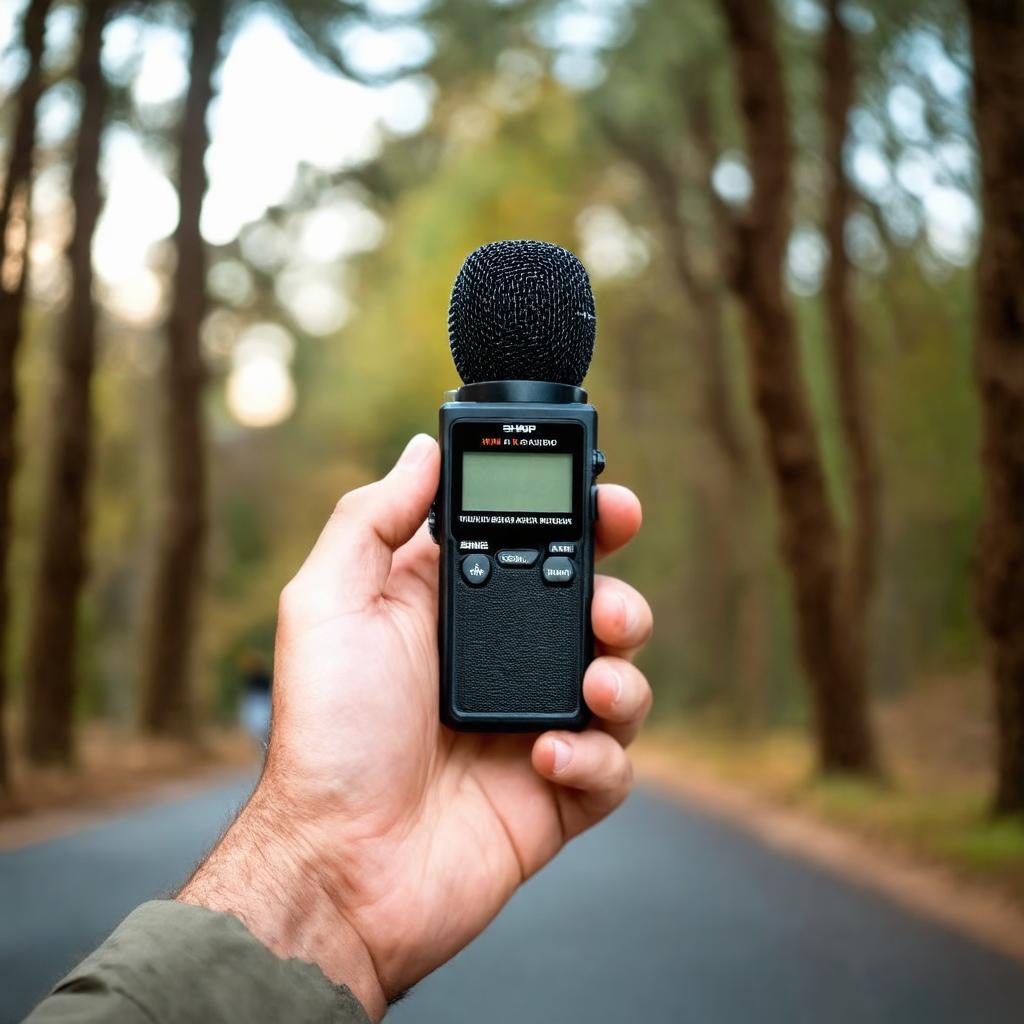
The practice of field recording represents a methodology for documenting and exploring the global sound environment. This approach involves capturing audio in locations outside a controlled studio, ranging from natural landscapes to urban settings.
Technical Aspects of Field Recordings
Technically, field recordings are characterized by their fidelity in capturing the acoustic environment. The WAV (Waveform Audio File Format) is commonly employed in this discipline. This format is an uncompressed audio file standard, developed by Microsoft and IBM, which allows sound data to be stored with high quality and fidelity, preserving the dynamics and frequency spectrum of the original sound. The choice of WAV is critical for professionals who require lossless audio manipulation, which is essential for applications where sound authenticity is paramount. Recording equipment varies from high-resolution portable recorders to more complex setups with directional, omnidirectional, or stereo microphones, designed to capture the spatiality and nuances of the environment.
Applications and Uses
Field recordings have diverse applications. One of the main ones is their integration into ambient music production. Artists and composers use these sonic elements to create textures, atmospheres, and contextualize their works, adding a layer of realism or abstraction based on real-world sounds. This approach allows compositions to transcend the limits of traditional instruments, incorporating organic and environmental elements.
Furthermore, field recordings are used as background noise. In work or relaxation contexts, playing natural or urban soundscapes can influence concentration or relaxation. The specific selection of a sound environment, such as the sound of rain, ocean waves, or the controlled bustle of a coffee shop, is used to modulate the personal acoustic environment, which can have implications for productivity and psychological well-being.
Finally, these recordings are tools for active listening. This use involves deliberate attention to the individual components of a soundscape, allowing listeners to identify patterns, sources, and specific acoustic characteristics. This practice is not only a form of aesthetic appreciation but can also be an educational or meditative tool, fostering a deeper connection with the auditory environment.
Implications and Perspectives
The availability and accessibility of field recordings contribute to the preservation of soundscapes that may be subject to environmental or urban changes. The creation of global sound archives, such as those mentioned in the context of 'Around the world in 80 WAVs', establishes an auditory record of acoustic and cultural biodiversity. This global sound archive can serve as a reference for ecological, anthropological studies, or simply as a reference library for future generations. The evolution of recording technology and digital distribution infrastructure continues to facilitate the expansion of these collections, promoting greater appreciation and analysis of sound environments on a global scale.
📖 Key Terms Glossary
❓ Frequently Asked Questions
What are field recordings?
Field recordings are audio records captured in natural or urban environments, outside a controlled studio, with the objective of documenting the acoustic atmosphere.
What are field recordings used for?
They are used in ambient music production, as background noise for concentration or relaxation, and as a tool for active listening and sound appreciation.
What file format is common in field recordings?
The WAV (Waveform Audio File Format) format is commonly used due to its ability to store uncompressed audio with high fidelity.
Support independent journalism 💸
The crypto ecosystem is volatile. If you decide to invest, do it safely using our affiliate links in the most trusted exchanges. You get a welcome bonus and we get a small commission.
Disclaimer: This content is not financial advice. Do your own research before investing.