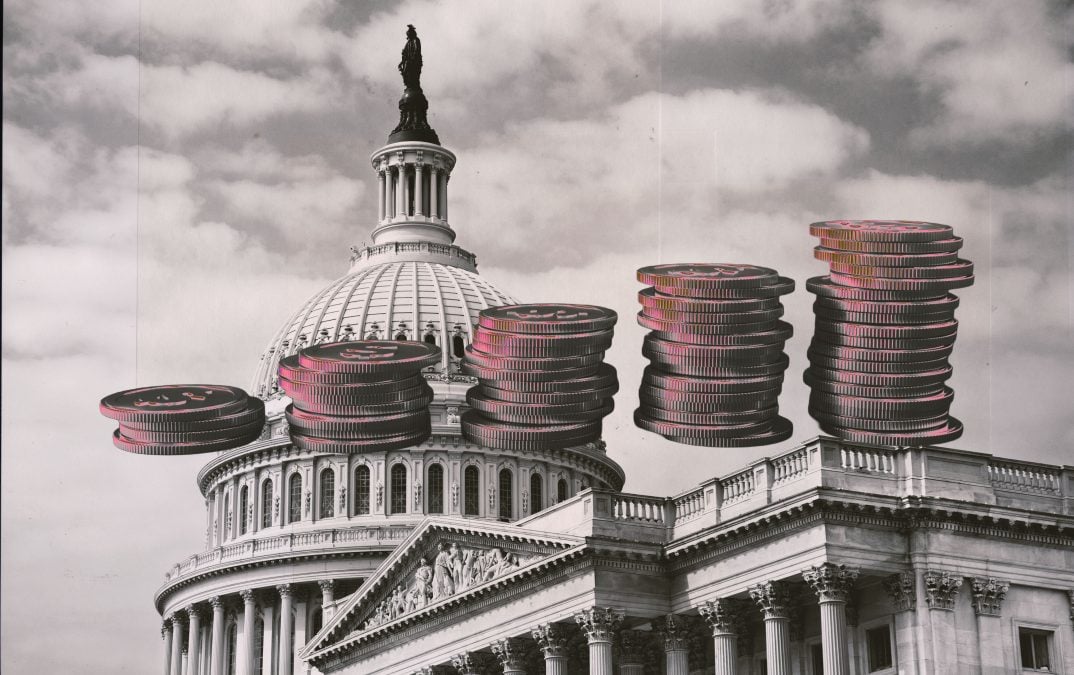
Nuro Secures Regulatory Approval for Driverless Testing Ahead of Uber Robotaxi Integration
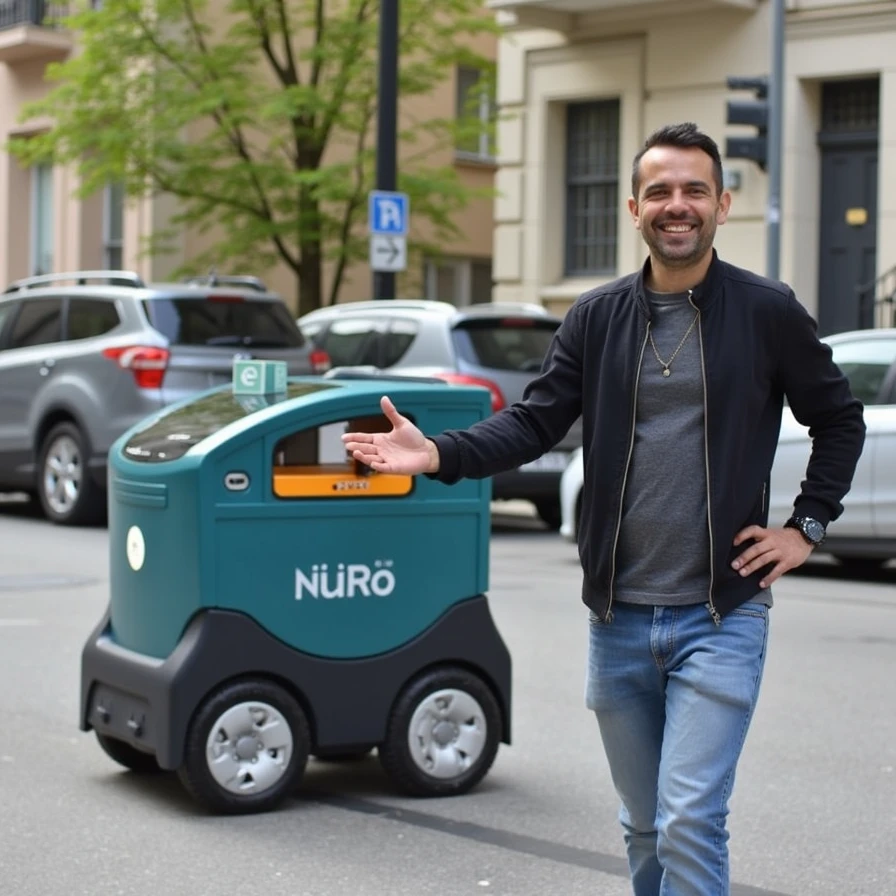
Autonomous vehicle startup Nuro has obtained authorization for unsupervised driving trials, marking a critical milestone toward integrating its fleet into Uber's robotaxi network.
By Carlos "Emérito" López Lovera•6 may 2026•2 min read
Key Takeaways
- Nuro has received regulatory permission to conduct driving tests without the presence of a human safety driver.
- The technology relies on advanced sensor fusion, including LiDAR and convolutional neural networks, to navigate complex urban environments.
- The partnership with Uber will integrate Nuro's autonomous execution layer with Uber's large-scale demand management and dispatch platform.
Autonomous vehicle (AV) startup Nuro has obtained the necessary regulatory authorization to begin driving tests without the presence of a safety driver. This permit represents a significant milestone in the validation phase of its technology stack, enabling the transition from controlled environments to urban settings with remote or zero supervision.
Validation of Autonomous Driving Architecture
Securing this permit implies that Nuro's perception, localization, and path-planning systems have met the safety requirements mandated by transportation authorities. Technically, this necessitates the precise integration of LiDAR sensors, high-resolution cameras, and radar, processed through convolutional neural networks for object detection and external agent behavior prediction. The ability to operate without a driver depends on the reliability of redundancy in braking and steering systems, as well as low latency in Vehicle-to-Everything (V2X) communication to mitigate risks at complex intersections.
Integration of Software Infrastructure with Uber
The deployment of this service is based on the integration of Nuro's fleet with Uber's dispatch platform. This process requires the interoperability of fleet management APIs and real-time navigation systems. Uber's architecture will serve as the user interface and demand management layer, while Nuro will provide the physical execution and autonomy layer. The convergence of these two infrastructures aims to optimize route efficiency and reduce wait times in the robotaxi service through route optimization algorithms.
Economic Implications and Shifts in Cost Structure
From an economic perspective, the transition toward a robotaxi model alters the operating expenditure (OPEX) structure of mobility. The removal of the human factor drastically reduces the variable cost per kilometer traveled by eliminating driver wages. However, these savings are offset by an increase in capital expenditure (CAPEX) due to investments in specialized hardware and the need for preventive maintenance of sensors and edge computing systems. The success of this model will depend on the ability to achieve economies of scale that allow the cost per mile to fall below that of conventional driver-operated transportation.
📖 Key Terms Glossary
❓ Frequently Asked Questions
What does this new regulatory permit allow Nuro to do?
It allows Nuro to transition from testing in controlled environments to conducting driving trials in urban settings without the need for a human safety driver present in the vehicle.
How will the integration between Nuro and Uber function?
Uber will act as the user interface and demand management layer, while Nuro will provide the physical autonomous driving capabilities and fleet execution.
What is the primary economic impact of moving to a robotaxi model?
The model aims to reduce variable costs (OPEX) by eliminating driver wages, though this is balanced by higher initial investments in specialized hardware and maintenance (CAPEX).
Support independent journalism 💸
The crypto ecosystem is volatile. If you decide to invest, do it safely using our affiliate links in the most trusted exchanges. You get a welcome bonus and we get a small commission.
Disclaimer: This content is not financial advice. Do your own research before investing.